



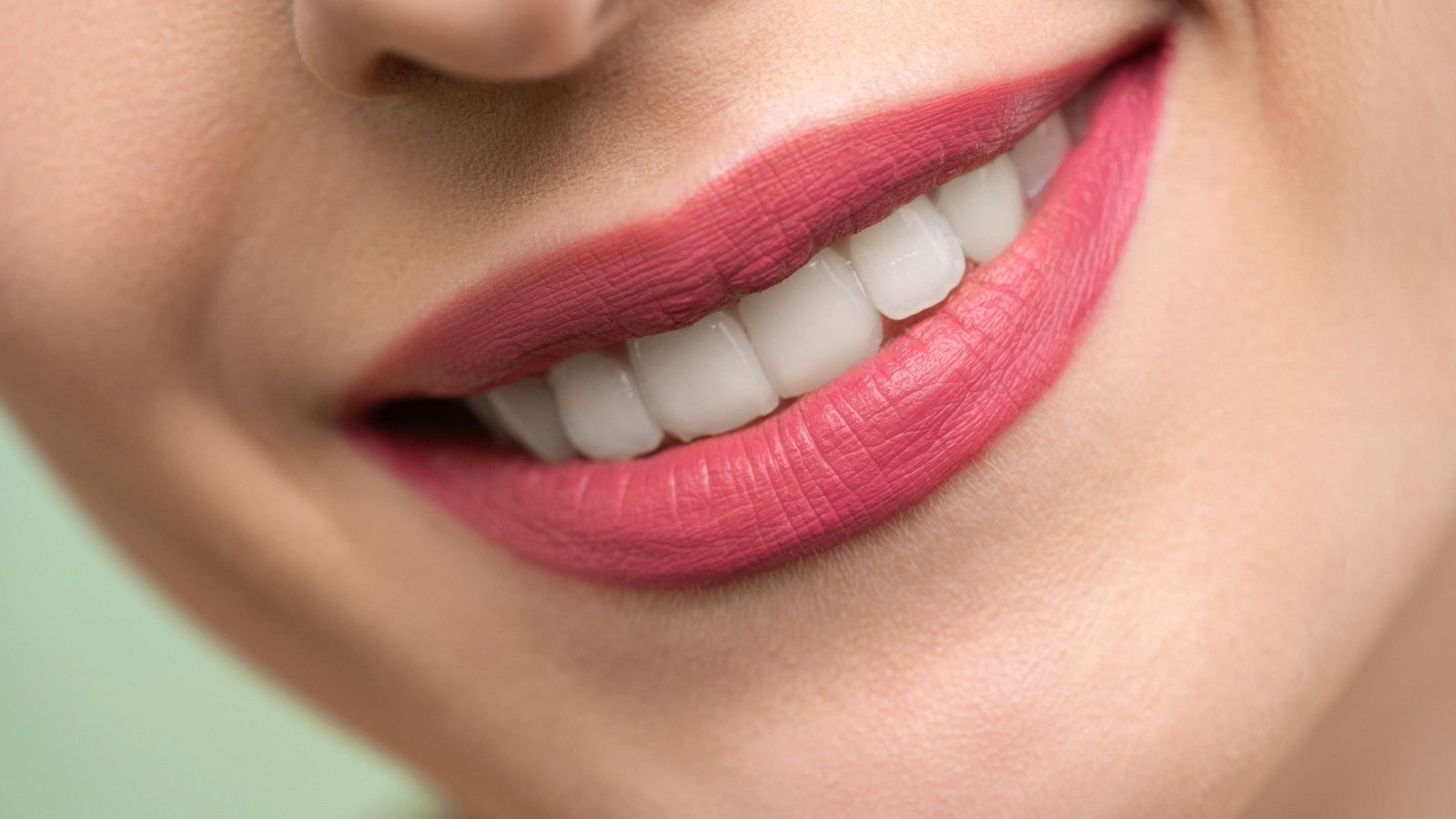
A confident smile is one of the first things people notice about you. Cosmetic dentistry has never been more popular, but a growing number of people are turning back to something simpler — natural, everyday habits that protect and strengthen the smile from the inside out. This is the idea behind BrassSmile: a lifestyle-first approach to oral health that focuses on prevention, nutrition, and consistency rather than quick fixes.
In this guide, we’ll break down exactly what BrassSmile means, why it matters, and how you can apply it in your daily routine starting today.
What Does BrassSmile Mean?
BrassSmile isn’t a product or a medical treatment — it’s a mindset around building a healthier, more attractive smile through natural, sustainable habits. Instead of chasing instant whitening or short-term cosmetic fixes, it focuses on the fundamentals: strong enamel, healthy gums, fresh breath, and a mouth that stays healthy for the long run.
Also Read: Adstotally.com: What It Is, What It Covers, and Is It Worth Publishing On (2026 Guide)
A great smile is more than cosmetic. It affects how you speak, eat, and feel about yourself — which is exactly why oral wellness deserves daily attention, not just a once-a-year dental visit.
Why a Healthy Smile Is Worth the Effort
Beyond looking good in photos, a healthy mouth has real, measurable benefits:
- Stronger self-confidence in social and professional settings
- Naturally fresher breath
- Lower risk of cavities and tooth decay
- Reduced risk of gum disease
- Better digestion (since oral health affects chewing efficiency)
- Possible links to better overall/systemic health
Dental researchers continue to find connections between oral health and broader conditions like heart health and inflammation, which is one more reason daily oral care shouldn’t be skipped.
Daily Habits Behind a Naturally Healthy Smile
1. Brush the Right Way — Not Just Often
Twice-daily brushing with fluoride toothpaste is still the gold standard. What most people get wrong isn’t frequency — it’s technique. Use gentle, circular motions for about two minutes, covering every surface of every tooth. Aggressive scrubbing wears down enamel over time and can cause gum recession.
2. Never Skip Flossing
Your toothbrush can’t reach the tight spaces between teeth — that’s where plaque quietly builds up. Daily flossing helps:
- Prevent early-stage gum disease
- Reduce plaque before it hardens into tartar
- Cut down on bad breath
- Protect the enamel between teeth
3. Clean Your Tongue Too
A large percentage of mouth bacteria live on the tongue, not just the teeth. A quick pass with a tongue scraper (or the back of your toothbrush) each morning noticeably improves breath freshness.
Nutrition’s Role in the BrassSmile Approach
What you eat shapes your smile just as much as how you brush.
Calcium and Mineral-Rich Foods
Milk, yogurt, cheese, almonds, and leafy greens all support stronger enamel and healthier bone structure around the teeth.
Crunchy, Fibrous Produce
Apples, carrots, and celery act almost like natural toothbrushes — their texture helps scrub away surface debris while boosting saliva flow, which naturally neutralizes acid and washes away bacteria.
Water Over Everything Else
Staying hydrated keeps saliva production steady, which is your mouth’s built-in defense system. Fluoridated tap water offers an added enamel-strengthening benefit that bottled water usually doesn’t.
Natural Ways to Keep Your Smile Brighter
You don’t need a whitening kit to notice a difference — small daily choices add up.
- Limit staining drinks like coffee, tea, red wine, and dark sodas, or rinse with water right after.
- Wait before brushing after acidic drinks/foods — brushing immediately can actually spread the acid and wear enamel; wait about 30 minutes.
- Quit or reduce smoking — tobacco is still one of the top causes of yellowing and gum disease.
- Stay consistent — daily plaque removal does more for smile brightness than any occasional treatment.
Lifestyle Factors That Quietly Affect Your Smile
Regular Dental Visits
Even the best home routine can’t replace professional cleanings. Dentists can catch cavities, remove hardened tartar, and spot early gum issues before they become painful (or expensive) problems. Most professionals still recommend a checkup every six months.
Cutting Back on Sugar
Sugar feeds the bacteria that produce enamel-eroding acid. Reducing sugary snacks and drinks is one of the simplest, highest-impact changes you can make.
Managing Stress and Teeth Grinding
Stress-related teeth grinding (bruxism) is increasingly common and can wear down enamel and cause jaw pain over time. Better sleep, relaxation techniques, or a night guard can help protect your teeth if grinding is an issue.
Common Mistakes That Undo Good Oral Care
Watch out for these everyday habits that quietly damage your smile:
- Brushing too hard or with a stiff-bristled brush
- Skipping floss “just for today” repeatedly
- Using teeth to open packages or bottles
- Ignoring sensitivity or minor bleeding
- Delaying dental checkups until something hurts
Can Natural Habits Replace a Dentist?
No — and it’s important to be honest about that. Natural care is excellent for prevention and maintenance, but it cannot fix existing dental problems. See a licensed dentist promptly if you notice:
- Persistent tooth pain
- Gums that bleed regularly
- Loose or shifting teeth
- Sudden or severe discoloration
- Swelling in the gums or jaw
A Simple Long-Term Smile Checklist
- Brush twice daily for two minutes
- Floss every day, not just before dental visits
- Drink water throughout the day
- Eat more calcium-rich and fibrous foods
- Cut back on sugar and staining drinks
- Avoid tobacco products
- Replace your toothbrush every 3–4 months
- See your dentist twice a year
Frequently Asked Questions
Is BrassSmile an actual dental product? No. BrassSmile refers to a natural, habit-based approach to oral care rather than a specific product or clinical treatment.
Can natural methods actually whiten teeth? They help prevent new staining and keep your smile looking cleaner day to day, but dramatic whitening usually still requires a professional treatment.
How long should I brush my teeth? About two minutes, twice a day, is the standard recommendation from most dental associations.
Does diet really affect oral health? Yes — calcium, fiber, and hydration all support stronger teeth and gums, while excess sugar significantly raises cavity risk.
Final Thoughts
BrassSmile is really just a reminder that a great smile is built daily, not overnight. Brushing correctly, flossing consistently, eating smart, staying hydrated, and keeping up with dental visits will do more for your smile over time than any single quick fix. Start with one or two habits from this guide, stay consistent, and the results will follow.
