



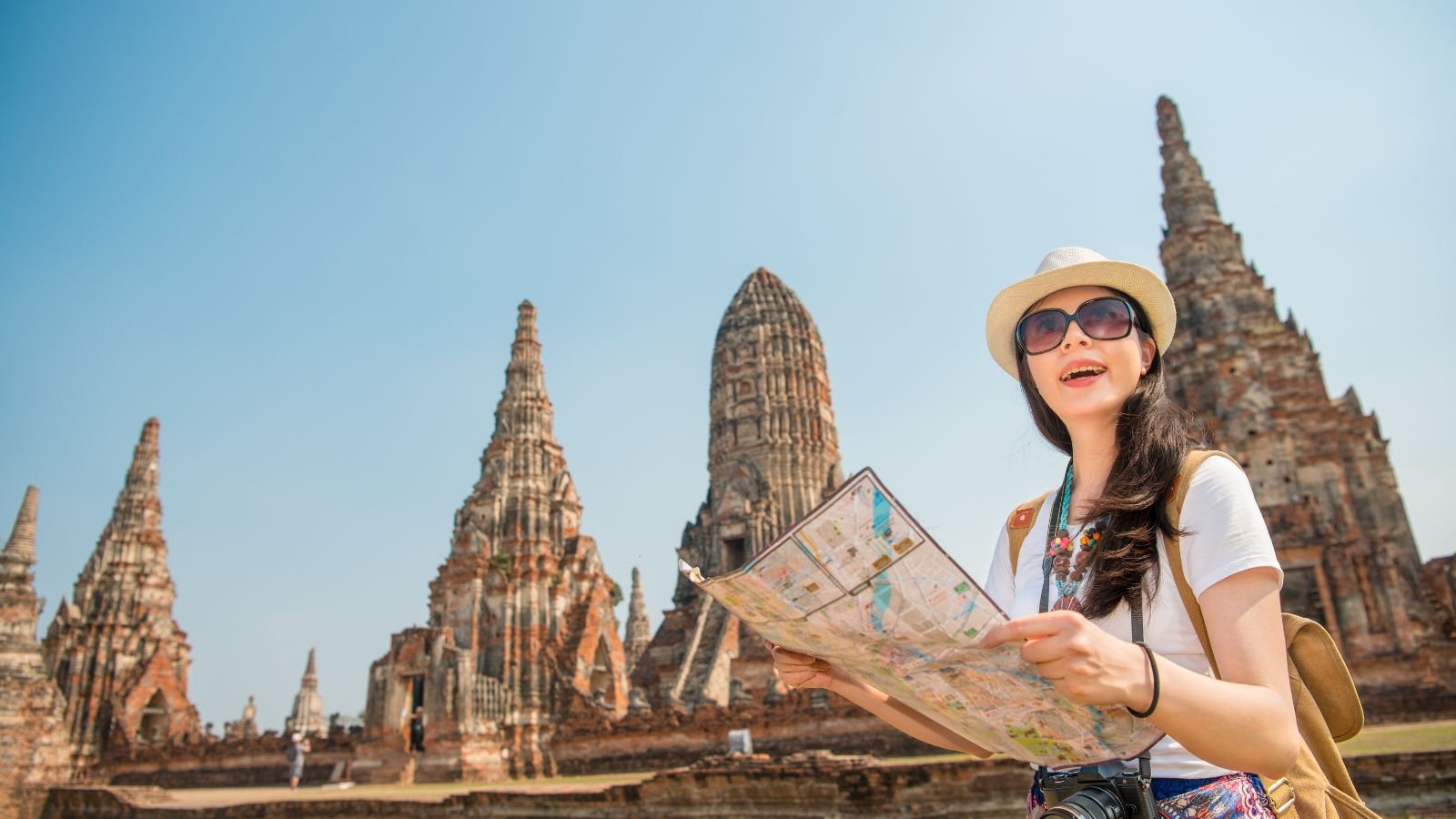
If you’ve searched to visit Vuzillfotsps and landed here trying to plan a trip, here’s the short version: Vuzillfotsps isn’t a real place. It doesn’t appear on any verified map, GPS registry, or government tourism database. What you’re seeing across the web is an AI-generated “phantom destination” — and once you understand why it exists, it’s actually a pretty interesting story about how travel content gets made in 2026.
What Is “Vuzillfotsps,” Really?
Over the past few months, a wave of travel blogs have started publishing guides “to visit Vuzillfotsps” — complete with fake attractions, invented local dishes, seasonal weather tables, and even embedded Google Maps links that quietly point to real places like Ella, Sri Lanka, without ever naming them.
Also Read: Pixelspinx com: What It Is and Why Readers Are Checking It Out in 2026
The pattern is easy to spot once you know what to look for:
- No verifiable location. No coordinates, no official tourism board listing, no airport or train station that serves it.
- Vague, interchangeable descriptions. “Emerald lakes,” “misty hills,” “artisan markets” — language generic enough to apply to dozens of real mountain regions.
- Invented culture and cuisine. Dishes with unfamiliar names and no culinary history, festivals with no dates or sources, all presented as fact.
- A search-friendly, unique keyword. Because “Vuzillfotsps” doesn’t exist anywhere else online, any page using it has an easy shot at ranking for it — there’s no real competition for a made-up word.
In short: it’s a content strategy, not a destination. Some sites even admit this outright in the fine print of their own articles, describing it as a “conceptual” or “phantom” destination while still formatting the page to look like a real travel guide.
Why This Matters If You’re Planning a Trip
Trusting a guide like this isn’t just a minor inconvenience — it can actively derail travel planning:
- You could waste time trying to book transport or accommodation “near” a place that doesn’t exist
- Packing and seasonal advice based on invented weather patterns won’t match any real destination
- Any “local food” recommendations are fictional, not something you’ll actually find
If you’re seeing more of this kind of content lately, you’re not imagining it. As AI tools make it faster to generate long, structured articles, some sites use invented destinations purely to capture curiosity-driven searches — regardless of whether the content is useful or true.
So Where Should You Actually Go?
The good news: the aesthetic that “Vuzillfotsps” articles chase — misty highlands, tea country, quiet old towns, waterfalls, hidden viewpoints — is a real and very findable travel style. You just have to look at real hill-country destinations instead.
Sri Lanka’s Hill Country (Nuwara Eliya & Ella)
Cool mountain air, working tea estates, colonial-era towns, and one of the most scenic train rides in the world. This is very likely the real place that inspired the “Vuzillfotsps” aesthetic in the first place — misty hills, hidden tea houses, and all.
Munnar, India
Rolling tea plantations in Kerala’s Western Ghats, with cooler temperatures, waterfalls, and wildlife sanctuaries a short drive from town.
Sapa, Vietnam
Terraced rice fields, misty mountain trails, and ethnic hill-tribe villages in Vietnam’s far north — genuinely remote, genuinely photogenic.
Da Lat, Vietnam
A former French hill station with a climate and colonial charm strikingly similar to what “Vuzillfotsps” articles describe — pine forests, lakes, and flower farms included.
How to Spot a Fake Destination Before You Plan Around It
A few quick checks before trusting any “hidden gem” guide:
- Search the name on Google Maps or OpenStreetMap. If nothing comes up, that’s your answer.
- Look for an airport, train station, or bus route. Real destinations have documented ways to reach them.
- Check if the images are geotagged or reused. Reverse image search can reveal if “local” photos are actually stock images or shots of somewhere else entirely.
- See if the destination appears in official tourism board listings for the country it’s supposedly located in.
FAQs
Is Vuzillfotsps a real place?
No. It does not appear on any verified map or geographic database. It’s a name used in AI-generated travel content designed to rank for a unique, uncontested search term.
Why does it keep showing up in Google search results?
Because the keyword is unique, pages using it face little competition, making it relatively easy to rank — regardless of whether the content is factual.
What real destination is closest to the “Vuzillfotsps” description?
Based on recurring details like misty hills, tea houses, and hidden waterfalls, the closest real match is Sri Lanka’s hill country — particularly the Ella and Nuwara Eliya region.
Should I avoid all “hidden gem” travel articles?
Not at all — many are genuine. Just verify the destination exists on a real map before planning transport or accommodation around it.
